

What’s Changing for Hair Salon Owners in 2027?
The chairs are full on Saturday and empty on Tuesday.
Your best stylist is pricing out a suite down the street. The booking app charges you whether the client shows or not. These are the salon trends that matter for 2027, and how an owner or salon manager can use each one.
Salon and barbershop owners make up part of Dr. Paul Borosky’s 1,000+ clients. He is a business consultant who works on the side of the business behind the chair.
Talk to Dr. PaulCall or text (321) 948-9588.
Last Updated: November 2026
How This Guide Works
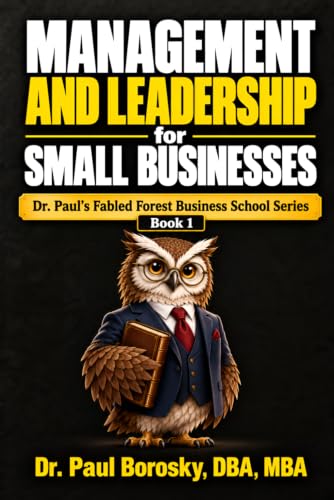
Between clients? Doctor Owl’s answer above covers the basics, and the list below jumps to each trend. Want the story? Startup Steve, a monkey who finally committed to a barbershop in Dr. Paul’s Fabled Forest Business School Series, watches his Saturday barber think about leaving. You’ll find him after trend 1.
Booth rent, commission, rebooking rate: which means what? The Salon glossary explains each term.
Which Salon Trends Matter Most in 2027?
Eight trends behind the chair, and what a salon owner or manager can do about each.
Is Booth Rental or Commission Better for a Salon?
More stylists are choosing to rent a booth or a suite and run their own book instead of working on commission.
Commission keeps clients in your salon. Booth rent keeps steady money coming in. Each has a cost.
- Figure out what each stylist earns the salon under each model.
- Talk to your team before you change anything.
- Write clear rules for whichever model you pick.
From the Fabled Forest
How Would Startup Steve Use These Salon Trends?
Doctor Owl is the wise old owl the forest’s owners call when the shop is busy and the owner is restless. Startup Steve, a monkey who has started more businesses than he can count, finally stuck with one: Swing Shift Barbers. Then Sorrel, his hedgehog Saturday barber, mentioned a suite opening down the road.
“This one’s the one!” Steve said, about a new idea he had that morning. Doctor Owl asked: fire or foundation? Losing Sorrel would cost clients right away. Fire. They worked it with Dr. Paul’s Organize-Plan-Grow™ Strategy.
- Organize. Clementine, the ladybug who keeps the till, counted Sorrel’s clients. Most rebooked every four weeks, because she told them to.
- Plan. Steve asked Sorrel what she wanted. It was a set schedule and a say in the products. He gave her both.
- Grow. Every barber now books the next visit at the chair, Sorrel’s way: “Come back in four weeks. Not five.”
Illustration only: 200 clients coming every four weeks instead of every six adds about four visits a year each. At $30 a cut, that’s around $24,000 a year.
Sorrel stayed. Steve didn’t start the new idea.
Illustration only.
Can a Salon Mix Employees and Booth Renters?
Some salons run both models. States look closely at whether renters are truly independent.
If your renters work like employees, you could owe back taxes and penalties.
- Check your state’s rules on contractors.
- Give renters real control over their schedule and prices.
- Get advice from an accountant before you mix models.
How Do Salons Compete With Salon Suites?
Salon suites give stylists their own private space and brand. Many take their clients with them.
When a stylist leaves, most of their book can leave too.
- Know which stylists bring in the most revenue.
- Offer what suites can’t: front desk help, education, and a team.
- Ask stylists what they’d want before they start looking.
Should Your Salon Train Its Own Stylists?
Finished stylists are hard to hire. Apprenticeship programs let salons grow their own.
It takes longer, but apprentices learn your way of working.
- Check your state’s apprenticeship rules.
- Pair each apprentice with your best stylist.
- Set a clear path from apprentice to full chair.
Why Is Rebooking the Most Important Number in a Salon?
Repeat clients drive most of a salon’s revenue.
Clients who book the next visit before they leave come back sooner and more often.
- Track your rebooking rate every day.
- Have stylists book the next visit at the chair.
- Reward the stylist with the best rebooking rate.
How Do Salons Cut No-Shows?
Automated reminders and deposits are common tools salons use to reduce no-shows.
An empty 2 p.m. chair can’t be sold at 3 p.m. That money is gone.
- Send a text reminder the day before every appointment.
- Ask for a card or deposit for long services.
- Keep a short waitlist for open slots.
How Do You Raise Salon Prices Without Losing Clients?
Product, rent, and labor costs keep rising for salons.
Most clients come back for the stylist, not the price, if the increase is fair and explained.
- Raise prices a little, on a set schedule (raising prices without losing customers).
- Tell clients ahead of time.
- Raise senior stylists’ prices first, where the waitlist is longest.
How Do Salons Win New Clients and Sell More Retail?
New clients often find salons online. Retail products sell best when the stylist recommends them.
Gen Z and new clients find you on a phone. They stay for the service and buy what the stylist uses.
- Post one great result from your team every week.
- Have stylists name the products they used.
- Pick a few services you do best, instead of adding everything.
Opening a salon? Plan the numbers first with a salon business plan template. Opening a barbershop? Use the barbershop business plan template.
Real World Help From Dr. Paul
Where Should a Salon Owner or Manager Start?
- Find what’s costing you now: no-shows, low rebooking, or a stylist at risk. That’s your fire.
- Pick one thing to build: an apprentice, better prices, or a stronger team. That’s your foundation.
- Get both on paper for next year.
Want help putting it together? Dr. Paul works with salon owners in person, and on Zoom between clients. Read about salon consulting.
Which Chair Is Costing Your Salon the Most?
Book a free 15-minute call with Dr. Paul. Bring your rebooking rate and no-shows if you track them. Opening a salon instead? Bring your plan. You leave knowing your first move. If you want more help, he explains what that would cost.
Or call or text (321) 948-9588.
What Do Salon Owners Ask About 2027?
Is owning a hair salon still profitable in 2027?
It can be. The salons that do well keep their stylists, rebook clients at the chair, and cut no-shows.
How do I keep my stylists from leaving for a suite?
Ask what they want before they start looking. Many want a set schedule, education, and a say in how things run.
Can the front desk or salon manager use these ideas?
Yes. Rebooking, no-shows, and reminders are things a manager can track every day.
About the Author
Dr. Paul Borosky, DBA, MBA, is a business consultant and author who helps salon owners and other service businesses build a team and a system that run without constant firefighting.
Sources
- Industry reporting on booth rental, salon suites, and independent stylists (2026).
- DaySmart, 2026 Salon Business Trends Report.
- The dollar examples on this page are illustrations, not industry averages.